
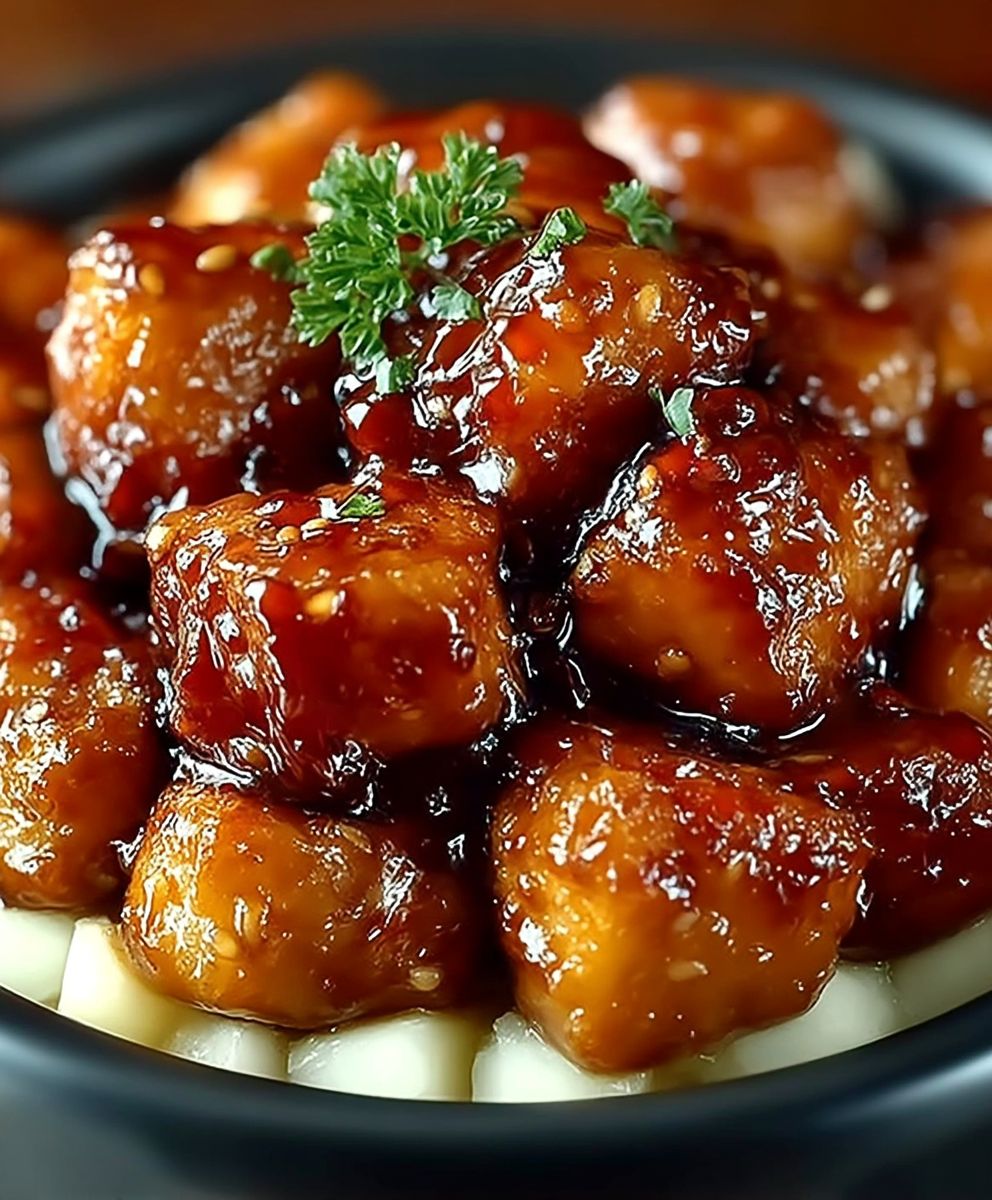
Brown Sugar Pineapple Chicken
Have you ever met a dish that feels like a tropical vacation and a cozy hug simultaneously? This incredibly flavorful Brown Sugar Pineapple Chicken is that delightful contradiction, sticky, sweet, and perfectly savory.
Forget complicated weeknight recipes; we are about to unlock the secret to golden, caramelized perfection that will have everyone demanding seconds before they even finish the first bite.
- This recipe achieves the ultimate balance of sweet brown sugar and tangy pineapple, creating a profoundly complex, addictive glaze.
- Preparation is astonishingly simple, requiring minimal effort for maximum flavor, making it perfect for busy weeknights or unexpected guests.
- The chicken comes out beautifully caramelized and tender, boasting a vibrant golden color that makes it truly irresistible on the plate.
- It pairs seamlessly with white rice, quinoa, or steamed broccoli, providing endless flexibility for a satisfying and exciting dinner rotation.
Ingredients for Brown Sugar Pineapple Chicken
Here’s what you’ll need to make this delicious dish:
- Chicken ThighsWe recommend boneless, skinless chicken thighs because they remain juicy and tender even under high heat, absorbing the beautiful glaze perfectly.
- Canned Pineapple ChunksThe secret weapon for both flavor and moisture; reserve the juice, as it becomes the crucial liquid base for our sauce.
- Light Brown SugarProvides the deep, molasses-rich sweetness and is essential for achieving that desirable sticky caramelization in the oven.
- Soy SauceAdds an irreplaceable savory depth, saltiness, and umami foundation that balances the intense sweetness of the fruit and sugar.
- Rice VinegarA splash of vinegar introduces necessary acidity, cutting through the richness and brightening the overall flavor profile significantly.
- Fresh GingerFinely grated fresh ginger delivers a warm, pungent lift that elevates the sauce far beyond simple sweet and sour preparations.
- Garlic ClovesMinced garlic provides aromatic sharpness, pairing wonderfully with the ginger and forming a classic Asian-inspired flavor pairing.
- Cornstarch or Tapioca FlourUsed as a slurry near the end of cooking to thicken the sauce slightly, giving it that perfect clingy texture we all crave.
- Sesame OilA drizzle added after cooking brings a nutty, roasted flavor that finishes the dish beautifully and adds complexity.
The full ingredients list, including measurements, is provided in the recipe card directly below.
How to Make Brown Sugar Pineapple Chicken
Follow these simple steps to prepare this delicious dish:
-
Prep the Chicken and Oven
Preheat your oven to 400°F (200°C). Pat the chicken thighs completely dry using paper towels; this ensures they brown nicely. Lightly season the chicken with salt and freshly ground black pepper on both sides. Place the seasoned chicken pieces snugly into a 9×13 inch baking dish.
-
Whisk the Brown Sugar Pineapple Glaze
In a large bowl, whisk together the reserved pineapple juice, light brown sugar, soy sauce, rice vinegar, minced garlic, and grated fresh ginger until the sugar is fully dissolved. Make sure there are no clumps of brown sugar remaining, ensuring a smooth glaze consistency.
-
Bake the Initial Glazed Chicken
Pour about two-thirds of the glaze mixture evenly over the chicken in the baking dish, ensuring every piece is coated. Reserve the remaining glaze for later. Arrange the pineapple chunks around and on top of the chicken pieces. Bake for 25 minutes, allowing the chicken to cook through and the glaze to start reducing.
-
Thicken the Remaining Sauce
While the chicken bakes, prepare the finishing glaze. In a small cup, mix the cornstarch or tapioca flour with one tablespoon of water to create a smooth slurry. Whisk this slurry into the reserved raw glaze mixture. This step ensures the final sauce will be glossy and thick, not watery.
-
Final Glaze and Caramelization
After 25 minutes, remove the dish from the oven. Brush the chicken and pineapples generously with the thickened reserved glaze. Return the dish to the oven for another 10 to 15 minutes, or until the internal temperature of the chicken reaches 165°F (74°C) and the glaze is bubbly and richly caramelized.
Transfer to plates and drizzle with sauce for the perfect finishing touch.
The Unexpected Origin of a Weeknight Hero
My journey to perfecting this Brown Sugar Pineapple Chicken wasn’t paved with culinary genius; it was paved with sheer exhaustion and one critically overlooked can of fruit. It was a Tuesday, which in my household is synonymous with “Did we even buy groceries this week?” panic. I had chicken thighs—blessedly—but my usual repertoire felt stale. I needed something fast, something tropical, something that tasted like I spent more than twenty minutes thinking about it.
I spotted the pineapple, a forgotten relic from a smoothie ambition that never quite materialized. I figured, why not? Chicken and sweet fruit is a classic combination, but I needed the sauce to have that deep, sticky quality usually reserved for slow-cooked barbecue. That’s where the brown sugar came in, marrying the tang of the fruit juice with the savory punch of soy sauce. The first attempt was a chaotic mess—the sauce was too thin, and the chicken looked less caramelized and more “sadly simmered.” But after tweaking the cornstarch slurry and realizing the residual heat of the oven was my best friend, the recipe transformed into the golden, sticky masterpiece you see today.
This dish is the embodiment of high-reward, low-effort cooking. It’s the kind of meal that makes you feel competent and slightly smug when your family asks how you achieved such intense flavor on a random Tuesday. It proves that sometimes, the best recipes emerge not from grand plans, but from desperately rifling through the pantry at 6:30 PM.
Mastering the Glaze: Tips for Ultimate Stickiness
The sticky, lacquered finish is the undisputed star of this Brown Sugar Pineapple Chicken. If your glaze is running thin or isn’t achieving that rich mahogany color, a few fundamental principles might need tightening up. Firstly, resist the temptation to thin the glaze during the first bake. That initial reduction stage is crucial for concentrating the flavors. Moisture evaporating from the liquid is what leaves behind the delightful caramelized sugars. If you add too much liquid early on, the chicken will steam instead of roast, leading to pale skin and a watery sauce.
Secondly, pay close attention to the cornstarch slurry ratio. Cornstarch is a powerful thickening agent, but it must be fully dissolved in cold water before being introduced to heat. If you dump dry cornstarch directly into the warm sauce, you invite unsightly clumps, ruining the velvety texture. The second, thicker glaze application during the last 10 minutes of cooking is what seals the deal. The high heat caramelizes the surface sugars rapidly, turning the glossy coating into a deeply flavored crust. For a truly intense color, consider turning on the broiler for the final minute, but watch it like a quail—brown sugar burns faster than a forgotten toast slice.
Remember that the residual heat of the dish continues to thicken the sauce even after it leaves the oven. Let the chicken rest in the baking dish for five minutes before serving. This allows the juices to redistribute back into the meat, ensuring maximum tenderness, and gives the sauce one last chance to achieve peak stickiness.
Choosing the Right Chicken Cut for Flavor and Texture
While this recipe specifically calls for boneless, skinless chicken thighs, understanding why they are the preferred choice is essential for achieving the perfect texture. Chicken thighs are naturally richer in fat and connective tissue compared to chicken breast. This higher fat content means they are incredibly forgiving; they can withstand the longer cooking time required for proper caramelization without drying out. Unlike breasts, which turn chalky when slightly overcooked, thighs maintain their moisture and tenderness beautifully, soaking up the Brown Sugar Pineapple Chicken sauce.
However, if you are dedicated to using chicken breast, modifications are necessary. Cut the breast meat into 1-inch cubes before glazing. Reduce the initial baking time by about ten minutes, since smaller pieces cook much faster. You must also monitor the internal temperature diligently to prevent dryness. If using breast, ensure you apply the final glaze closer to the end of the cooking process to maximize stickiness without overcooking the lean meat. If using bone-in chicken pieces, increase the total cooking time by approximately 15 to 20 minutes, monitoring the internal temperature carefully near the bone.
Perfect Pairings and Serving Suggestions
Once you’ve achieved that dazzling, sticky sheen on your Brown Sugar Pineapple Chicken, you need worthy companions for the plate. The richness and sweetness of the dish demand a neutral base and some textural contrast. The easiest and most traditional pairing is perfectly steamed jasmine rice, which absorbs the extra glaze beautifully.
For those seeking a healthier or lower-carb option, consider serving this tropical delight over quinoa or cauliflower rice. Quinoa offers a slightly nutty flavor and satisfying chewiness, while cauliflower rice provides an excellent, light canvas for the sauce. To introduce essential crispness and color, serve alongside lightly steamed broccoli florets or quickly stir-fried snow peas. The slight bitterness and crunch of green vegetables provide a necessary foil to the sweet glaze, preventing the dish from becoming overly saccharine.
Creative Variations to Try Next Time
Once you have mastered the foundational Brown Sugar Pineapple Chicken recipe, feel free to experiment with flavor boosters and textural enhancements. A fantastic variation involves adding thinly sliced bell peppers (red or yellow for sweetness) and sliced onions to the baking dish halfway through the cooking process. They soften slightly but still retain a pleasant crunch, contributing color and complexity.
For an extra layer of heat that complements the sweetness, stir in a teaspoon of sriracha or a few dashes of chili garlic sauce into the glaze mixture before baking. This introduction of heat elevates the dish from simply sweet and savory to dynamically balanced. You can also experiment with citrus by adding the zest of one lime into the glaze; the essential oils provide an aromatic depth that pairs wonderfully with the tropical pineapple. Finally, garnish the finished product generously with toasted sesame seeds and thinly sliced green onions just before serving for visual appeal and an added nutty flavor.
The beauty of this recipe lies in its adaptability. It is robust enough to handle minor adjustments while consistently delivering that satisfying, highly addictive sweet-and-sour flavor profile that makes it a true weeknight champion.
Have you ever met a dish that feels like a tropical vacation and a cozy hug simultaneously? This incredibly flavorful Brown Sugar Pineapple Chicken is that delightful contradiction, sticky, sweet, and perfectly savory.
Forget complicated weeknight recipes; we are about to unlock the secret to golden, caramelized perfection that will have everyone demanding seconds before they even finish the first bite.
- This recipe achieves the ultimate balance of sweet brown sugar and tangy pineapple, creating a profoundly complex, addictive glaze.
- Preparation is astonishingly simple, requiring minimal effort for maximum flavor, making it perfect for busy weeknights or unexpected guests.
- The chicken comes out beautifully caramelized and tender, boasting a vibrant golden color that makes it truly irresistible on the plate.
- It pairs seamlessly with white rice, quinoa, or steamed broccoli, providing endless flexibility for a satisfying and exciting dinner rotation.
Ingredients for Brown Sugar Pineapple Chicken
Here’s what you’ll need to make this delicious dish:
- Chicken ThighsWe recommend boneless, skinless chicken thighs because they remain juicy and tender even under high heat, absorbing the beautiful glaze perfectly.
- Canned Pineapple ChunksThe secret weapon for both flavor and moisture; reserve the juice, as it becomes the crucial liquid base for our sauce.
- Light Brown SugarProvides the deep, molasses-rich sweetness and is essential for achieving that desirable sticky caramelization in the oven.
- Soy SauceAdds an irreplaceable savory depth, saltiness, and umami foundation that balances the intense sweetness of the fruit and sugar.
- Rice VinegarA splash of vinegar introduces necessary acidity, cutting through the richness and brightening the overall flavor profile significantly.
- Fresh GingerFinely grated fresh ginger delivers a warm, pungent lift that elevates the sauce far beyond simple sweet and sour preparations.
- Garlic ClovesMinced garlic provides aromatic sharpness, pairing wonderfully with the ginger and forming a classic Asian-inspired flavor pairing.
- Cornstarch or Tapioca FlourUsed as a slurry near the end of cooking to thicken the sauce slightly, giving it that perfect clingy texture we all crave.
- Sesame OilA drizzle added after cooking brings a nutty, roasted flavor that finishes the dish beautifully and adds complexity.
The full ingredients list, including measurements, is provided in the recipe card directly below.
How to Make Brown Sugar Pineapple Chicken
Follow these simple steps to prepare this delicious dish:
-
Prep the Chicken and Oven
Preheat your oven to 400°F (200°C). Pat the chicken thighs completely dry using paper towels; this ensures they brown nicely. Lightly season the chicken with salt and freshly ground black pepper on both sides. Place the seasoned chicken pieces snugly into a 9×13 inch baking dish.
-
Whisk the Brown Sugar Pineapple Glaze
In a large bowl, whisk together the reserved pineapple juice, light brown sugar, soy sauce, rice vinegar, minced garlic, and grated fresh ginger until the sugar is fully dissolved. Make sure there are no clumps of brown sugar remaining, ensuring a smooth glaze consistency.
-
Bake the Initial Glazed Chicken
Pour about two-thirds of the glaze mixture evenly over the chicken in the baking dish, ensuring every piece is coated. Reserve the remaining glaze for later. Arrange the pineapple chunks around and on top of the chicken pieces. Bake for 25 minutes, allowing the chicken to cook through and the glaze to start reducing.
-
Thicken the Remaining Sauce
While the chicken bakes, prepare the finishing glaze. In a small cup, mix the cornstarch or tapioca flour with one tablespoon of water to create a smooth slurry. Whisk this slurry into the reserved raw glaze mixture. This step ensures the final sauce will be glossy and thick, not watery.
-
Final Glaze and Caramelization
After 25 minutes, remove the dish from the oven. Brush the chicken and pineapples generously with the thickened reserved glaze. Return the dish to the oven for another 10 to 15 minutes, or until the internal temperature of the chicken reaches 165°F (74°C) and the glaze is bubbly and richly caramelized.
Transfer to plates and drizzle with sauce for the perfect finishing touch.
The Unexpected Origin of a Weeknight Hero
My journey to perfecting this Brown Sugar Pineapple Chicken wasn’t paved with culinary genius; it was paved with sheer exhaustion and one critically overlooked can of fruit. It was a Tuesday, which in my household is synonymous with “Did we even buy groceries this week?” panic. I had chicken thighs—blessedly—but my usual repertoire felt stale. I needed something fast, something tropical, something that tasted like I spent more than twenty minutes thinking about it.
I spotted the pineapple, a forgotten relic from a smoothie ambition that never quite materialized. I figured, why not? Chicken and sweet fruit is a classic combination, but I needed the sauce to have that deep, sticky quality usually reserved for slow-cooked barbecue. That’s where the brown sugar came in, marrying the tang of the fruit juice with the savory punch of soy sauce. The first attempt was a chaotic mess—the sauce was too thin, and the chicken looked less caramelized and more “sadly simmered.” But after tweaking the cornstarch slurry and realizing the residual heat of the oven was my best friend, the recipe transformed into the golden, sticky masterpiece you see today.
This dish is the embodiment of high-reward, low-effort cooking. It’s the kind of meal that makes you feel competent and slightly smug when your family asks how you achieved such intense flavor on a random Tuesday. It proves that sometimes, the best recipes emerge not from grand plans, but from desperately rifling through the pantry at 6:30 PM.
Mastering the Glaze: Tips for Ultimate Stickiness
The sticky, lacquered finish is the undisputed star of this Brown Sugar Pineapple Chicken. If your glaze is running thin or isn’t achieving that rich mahogany color, a few fundamental principles might need tightening up. Firstly, resist the temptation to thin the glaze during the first bake. That initial reduction stage is crucial for concentrating the flavors. Moisture evaporating from the liquid is what leaves behind the delightful caramelized sugars. If you add too much liquid early on, the chicken will steam instead of roast, leading to pale skin and a watery sauce.
Secondly, pay close attention to the cornstarch slurry ratio. Cornstarch is a powerful thickening agent, but it must be fully dissolved in cold water before being introduced to heat. If you dump dry cornstarch directly into the warm sauce, you invite unsightly clumps, ruining the velvety texture. The second, thicker glaze application during the last 10 minutes of cooking is what seals the deal. The high heat caramelizes the surface sugars rapidly, turning the glossy coating into a deeply flavored crust. For a truly intense color, consider turning on the broiler for the final minute, but watch it like a quail—brown sugar burns faster than a forgotten toast slice.
Remember that the residual heat of the dish continues to thicken the sauce even after it leaves the oven. Let the chicken rest in the baking dish for five minutes before serving. This allows the juices to redistribute back into the meat, ensuring maximum tenderness, and gives the sauce one last chance to achieve peak stickiness.
Choosing the Right Chicken Cut for Flavor and Texture
While this recipe specifically calls for boneless, skinless chicken thighs, understanding why they are the preferred choice is essential for achieving the perfect texture. Chicken thighs are naturally richer in fat and connective tissue compared to chicken breast. This higher fat content means they are incredibly forgiving; they can withstand the longer cooking time required for proper caramelization without drying out. Unlike breasts, which turn chalky when slightly overcooked, thighs maintain their moisture and tenderness beautifully, soaking up the Brown Sugar Pineapple Chicken sauce.
However, if you are dedicated to using chicken breast, modifications are necessary. Cut the breast meat into 1-inch cubes before glazing. Reduce the initial baking time by about ten minutes, since smaller pieces cook much faster. You must also monitor the internal temperature diligently to prevent dryness. If using breast, ensure you apply the final glaze closer to the end of the cooking process to maximize stickiness without overcooking the lean meat. If using bone-in chicken pieces, increase the total cooking time by approximately 15 to 20 minutes, monitoring the internal temperature carefully near the bone.
Perfect Pairings and Serving Suggestions
Once you’ve achieved that dazzling, sticky sheen on your Brown Sugar Pineapple Chicken, you need worthy companions for the plate. The richness and sweetness of the dish demand a neutral base and some textural contrast. The easiest and most traditional pairing is perfectly steamed jasmine rice, which absorbs the extra glaze beautifully.
For those seeking a healthier or lower-carb option, consider serving this tropical delight over quinoa or cauliflower rice. Quinoa offers a slightly nutty flavor and satisfying chewiness, while cauliflower rice provides an excellent, light canvas for the sauce. To introduce essential crispness and color, serve alongside lightly steamed broccoli florets or quickly stir-fried snow peas. The slight bitterness and crunch of green vegetables provide a necessary foil to the sweet glaze, preventing the dish from becoming overly saccharine.
Creative Variations to Try Next Time
Once you have mastered the foundational recipe, feel free to experiment with flavor boosters and textural enhancements. A fantastic variation involves adding thinly sliced bell peppers (red or yellow for sweetness) and sliced onions to the baking dish halfway through the cooking process. They soften slightly but still retain a pleasant crunch, contributing color and complexity.
For an extra layer of heat that complements the sweetness, stir in a teaspoon of sriracha or a few dashes of chili garlic sauce into the glaze mixture before baking. This introduction of heat elevates the dish from simply sweet and savory to dynamically balanced. You can also experiment with citrus by adding the zest of one lime into the glaze; the essential oils provide an aromatic depth that pairs wonderfully with the tropical pineapple. Finally, garnish the finished product generously with toasted sesame seeds and thinly sliced green onions just before serving for visual appeal and an added nutty flavor.
The beauty of this recipe lies in its adaptability. It is robust enough to handle minor adjustments while consistently delivering that satisfying, highly addictive sweet-and-sour flavor profile that makes it a true weeknight champion.
The Accidental Discovery of Sunshine on a Plate

I once had a kitchen disaster where I accidentally dumped a container of brown sugar into a pan of seared chicken and pineapple. Panic set in, but desperation led me to balance the sweetness with soy sauce and vinegar. What emerged from the smoke and chaos was the genesis of this incredible, deeply caramelizedBrown Sugar Pineapple Chicken, a truly unexpected delight.
If there’s one dish that proves kitchen mistakes can lead to culinary masterpieces, it’s this recipe. We are not aiming for a pale, watery sauce here; we want depth, stickiness, and that irresistible caramelization. This dish is the culinary equivalent of wearing sunglasses indoors—bold, slightly audacious, and absolutely necessary to brighten any dreary evening. We are combining savory umami notes with bright, tangy sweetness to create a flavor profile that is both complex and incredibly satisfying.
The Anatomy of the Perfect Sticky Glaze
The success of the caramelized pineapple dish hinges entirely on the glaze. Think of the glaze as the diplomatic glue holding the sweet tropics and the savory dinner plate together. Many recipes commit the cardinal sin of adding too much water, resulting in a runny liquid rather than a beautiful, thick coat. We must be patient and focused on achieving the desired viscosity.
Our base utilizes dark brown sugar, which brings deeper molasses notes far superior to its light brown cousin. We combine this with low-sodium soy sauce (or tamari, if preferred), a generous splash of rice vinegar for necessary zing, and a robust amount of freshly minced ginger and garlic. If you think you have added enough garlic, add one more clove—trust me, the savory counterpoint is essential to prevent the dish from becoming cloyingly sweet. The goal is to simmer this mixture down until it coats the back of a spoon like heavy syrup, allowing it to cling lovingly to the chicken and pineapple pieces. This reduction process demands about ten minutes of dedicated simmering, but the resulting depth of flavor is worth every minute spent hovering over the stove.
Choosing Your Cutlet (The Essential Prep Work)
For this recipe, chicken thighs are the uncontested champion. They remain incredibly moist and flavorful through the searing and the lengthy simmer in the sticky glaze, forgiving any slight errors in cooking time. If you insist on using boneless, skinless chicken breast, please cut the pieces uniformly into one-inch cubes. Uniformity ensures even cooking and prevents some pieces from turning into rubbery sad little pellets while others cook perfectly. Before they even touch the hot oil, make sure your chicken pieces are completely patted dry with paper towels. Moisture is the sworn enemy of a good sear, and a good sear is the absolute foundation of delicious, flavorful chicken.
Once you have patted them dry, a simple seasoning of salt and freshly cracked black pepper prepares them for their glorious transformation. A quick, high-heat sear in a robust neutral oil, like avocado or grapeseed, is critical. We are diligently building flavor layers, and the first layer must be the golden, crusty exterior of the seared chicken. This initial step locks in juices and provides texture contrast against the soft pineapple and sticky sauce.
The Golden Rule of Pineapple
We absolutely must use fresh pineapple, not the canned stuff floating aimlessly in sickly sweet syrup. Canned pineapple yields a mushy, overly sweet result, robbing the dish of the essential texture it needs. Fresh pineapple holds its shape magnificently, develops a beautiful caramelization when sautéed, and provides a much sharper, balancing acidity that cuts through the richness of the brown sugar. Cut the pineapple into slightly larger chunks than the chicken—aim for about 1.5 inches. This size ensures they don’t completely disintegrate into the sauce during the final stages of cooking, maintaining a wonderful, juicy chew.
When you introduce the pineapple to the pan, let it cook long enough to develop a slight char around the edges before adding the sauce components. This browning process is key to unlocking the complex, tangy sweetness that defines this excellent sweet and tangy chicken dish. Serve this stunning creation over perfectly cooked jasmine rice to soak up every drop of that heavenly, caramelized glaze.
Perfecting the Cooking Process
Start by searing the dried chicken until it develops a beautiful golden crust, reserving it afterward to prevent overcooking. Next, sauté the fresh pineapple and aromatics like ginger and garlic until fragrant and slightly caramelized. Finally, whisk together and reduce the sweet and savory brown sugar glaze, returning the chicken to the pan to finish cooking and soak up the intense, sticky sauce.
The Culinary Journey: From Searing to Sticky Perfection
Getting the texture right requires strict timing and respect for the heat levels. We divide the process into three manageable acts. Act one is the sear. Heat your large skillet or wok over medium-high heat with a couple of tablespoons of high-heat oil. Add the chicken, ensuring you do not overcrowd the pan, which would steam the chicken instead of searing it. Sear in batches if necessary, until deeply golden on all sides, then remove and set aside. Resist the urge to snack on the beautifully crusted chicken now—it must wait patiently for its sticky cloak.
Act two involves skillfully building the flavor foundation. Reduce the heat slightly to medium. Add the minced garlic and ginger, cooking them for only about 30 seconds until they become powerfully fragrant—do not let them burn, as burnt garlic is a bitter disaster that ruins the entire dish. Immediately toss in the fresh pineapple chunks, stirring gently for three minutes until they start to soften and their edges turn translucent, indicating the sugars are starting to activate.
Act three is the magical glaze reduction. Whisk together the brown sugar, soy sauce, rice vinegar, a splash of water or chicken broth (if needed for thinning), and a thickening agent like a cornstarch slurry. Pour this mixture over the pineapple and aromatics. Bring the liquid to a robust simmer, watching patiently as it thickens dramatically. This usually takes about five to seven minutes, depending on your stovetop heat. Once the sauce coats the back of your spoon thickly, return the seared chicken to the pan. Toss everything gently to ensure every piece is thoroughly coated in the rich, sticky sauce. Cook for just a final minute or two to warm the chicken through, then immediately remove it from the heat and serve. Garnishing with toasted sesame seeds and sliced green onions elevates the visual presentation and adds a desirable fresh crunch.
Add Your Touch
Elevate this dish by swapping traditional white rice for aromatic coconut rice or protein-rich quinoa. For an extra layer of heat, add a generous pinch of dried chili flakes to the glaze mixture before reduction. You can also introduce other vegetables like thinly sliced red bell peppers or blanched broccoli florets during the final minute of cooking for added color and nutritional boost.
Storing & Reheating
Store leftoverBrown Sugar Pineapple Chickenin an airtight container in the refrigerator for up to three days. When reheating, the best method is to place it in a skillet over low heat on the stovetop, adding a tiny splash of water or broth to loosen the sticky glaze and gently steam the chicken back to its original tenderness, preventing it from drying out.
- Don’t Rush the Sear:Achieving a deep golden crust on the chicken before adding the sauce is mandatory; this foundational browning adds immense depth and complexity of flavor to the finished dish.
- The Cornstarch Conundrum:Always mix cornstarch with cold liquid first to create a smooth slurry; adding dry cornstarch directly to a hot sauce results only in stubborn, unpleasant clumps and a ruined texture.
- Pineapple Size Matters:Cut the pineapple chunks slightly larger than the chicken pieces so they maintain their integrity and provide a satisfying, juicy, tangy bite against the intense, sticky glaze.
My pickiest niece, who typically only eats food that is beige, took one look at this colorful dish, hesitated briefly, and then devoured three helpings. That priceless moment solidified this recipe’s permanent place in my cooking repertoire.
Conclusion for Brown Sugar Pineapple Chicken
The journey to mastering the perfectBrown Sugar Pineapple Chickenis straightforward but relies heavily on the proper technique for developing the sticky, thick glaze and executing an excellent sear on the chicken. We’ve firmly established that patience during the sauce reduction phase is absolutely crucial, transforming simple pantry ingredients into a complex, sweet, and savory masterpiece.
This recipe provides a burst of tropical sunshine, making it an ideal choice for busy weeknights or a fun family dinner gathering. Remember to always use fresh pineapple for the optimal texture and be generous with the savory aromatics like ginger and garlic. Whether you stick strictly to the script or incorporate vibrant additions like snow peas, this incredible caramelized chicken dish promises to be a sweet, sticky success every single time you prepare it.
Print
Brown Sugar Pineapple Chicken
- Total Time: 35 minutes
- Yield: 4 servings 1x
Description
Skillet-seared chicken thighs drenched in a sticky, sweet-and-sour glaze crafted from brown sugar, pineapple juice, and ACV. Dinner in 20 minutes! Full instructions and nutrition breakdown inside.
Ingredients
- 1.5 lbs boneless, skinless chicken thighs, cut into 1-inch pieces
- 1/2 cup packed light brown sugar
- 1 (20 oz) can pineapple chunks, drained (reserve 1/2 cup of the juice)
- 1/4 cup low sodium soy sauce
- 2 tbsp apple cider vinegar
- 2 cloves garlic, minced
- 1 tbsp cornstarch
- 1 tbsp olive oil
Instructions
- Step 1: Whisk together the sauce mixture by combining the reserved pineapple juice, brown sugar, soy sauce, apple cider vinegar, and minced garlic in a medium bowl. Whisk in the cornstarch until fully dissolved and set aside.
- Step 2: Heat the olive oil in a large skillet or wok over medium-high heat. Add the cut chicken thighs and cook for 5-7 minutes, until browned on all sides and mostly cooked through.
- Step 3: Reduce the heat to medium-low. Pour the prepared sauce mixture over the chicken in the skillet, ensuring all pieces are coated. Bring the sauce to a gentle simmer.
- Step 4: Allow the chicken and sauce to simmer for 5-8 minutes, stirring occasionally, until the sauce has thickened significantly and coats the back of a spoon. The cornstarch will cause the rapid thickening.
- Step 5: Stir in the drained pineapple chunks and cook for an additional 2 minutes until they are heated through. Serve the Brown Sugar Pineapple Chicken immediately over rice or noodles.
Notes
- Store cooled leftovers in an airtight container in the refrigerator for up to 3 days; the sauce tends to firm up considerably when chilled.
- To revive the texture, reheat leftovers gently in a skillet over low heat, adding 1-2 tablespoons of water or chicken broth to loosen the sauce as it warms.
- For a complete meal, serve this sweet and savory dish over fluffy jasmine rice and top with fresh chopped scallions or toasted sesame seeds for color.
- Do not rush the browning in Step 2; properly searing the chicken thighs develops a deep, caramelized flavor that cuts through the intense sweetness of the sauce.
- Prep Time: 15 minutes
- Cook Time: 20 minutes
- Method: Stovetop
- Cuisine: American
Nutrition
- Serving Size: 1.5 cups (approx. 6 oz chicken and sauce)
- Calories: 448
- Sodium: 920mg
- Fat: 7g
- Saturated Fat: 1.5g
- Trans Fat: 0g
- Protein: 41g

