Tennessee Onions: A Guide to Growing and Cooking with This Unique Variety
Have you ever met an onion so charming it could practically write a country song? Well, grab your mandolins because we are diving deep into the world of the South’s most intriguing bulb. This isn’t just a recipe; it’s a field guide. Join me as we exploreTennessee Onions: A Guide to Growing and Cooking with This Unique Variety, transforming garden grit into culinary gold.
- The smooth, buttery texture and sweet, mild flavor make this unique bulb perfect for raw use or deep caramelization.
- Preparation is incredibly straightforward, requiring standard kitchen tools and minimal effort for a high-impact side dish.
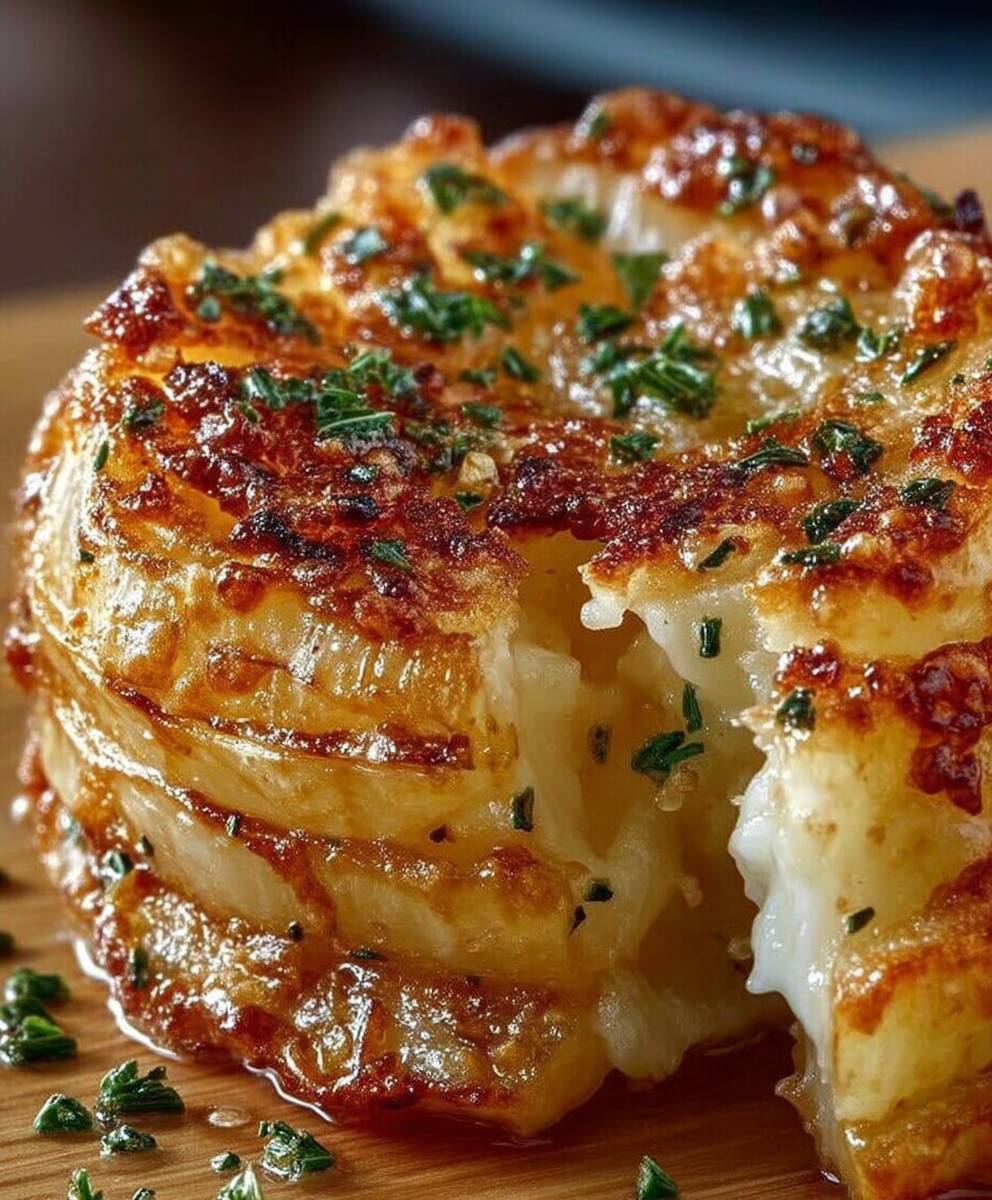
- Visually stunning, these golden-brown onion petals create an impressive presentation ideal for any holiday gathering or weekend meal.
- Their inherent versatility allows them to serve as a standalone side dish, garnish, or savory topping for roasted meats and poultry.
Ingredients for Tennessee Onions: A Guide to Growing and Cooking with This Unique Variety
Here’s what you’ll need to make this delicious dish:
- Tennessee OnionsSelect large, firm bulbs, preferably two to three medium to large sizes to ensure ample petals for frying.
- All-Purpose FlourUsed as the base for the coating, ensuring a crisp exterior when combined with the cornstarch.
- CornstarchEssential for achieving maximum crunch and preventing the coating from absorbing too much oil during the frying process.
- Buttermilk SubstituteA mixture of non-dairy milk and white vinegar works perfectly to create the acidic binder needed for the coating to adhere properly.
- Smoked PaprikaProvides a beautiful reddish hue and a deep, savory, slightly smoky flavor that complements the onion’s sweetness.
- Garlic Powder and Onion PowderThese are crucial for building layers of savory flavor into the dry coating mixture.
- Cayenne PepperOptional, but highly recommended for a subtle, warming kick that balances the overall sweetness of the fried onion.
- High-Heat Cooking OilCanola or vegetable oil works best; ensure you have enough to maintain a depth of at least two inches for even frying.
The full ingredients list, including measurements, is provided in the recipe card directly below.
How to Make Tennessee Onions: A Guide to Growing and Cooking with This Unique Variety
Follow these simple steps to prepare this delicious dish:
Step 1: Preparation and Blooming the Onion
Carefully peel the outer paper layer from the Tennessee onions. Trim the top stem, but leave the root end intact, as this holds the petals together during cooking. Place the onion root-side up on a cutting board. Using a sharp knife, cut downwards starting about half an inch from the root, making four evenly spaced cuts. Repeat this process between the first four cuts until you have 16 distinct vertical sections, resembling a flower ready to bloom. Gently open the petals without detaching them from the root base.
Step 2: The Buttermilk Soak
Fill a large bowl with the buttermilk substitute. Submerge the blooming onions fully, ensuring the liquid seeps between all the petals. Allow the onions to soak for at least 30 minutes. This step is vital because the acidic base tenderizes the onion slightly and provides the necessary surface for the dry coating to adhere. While soaking, prepare the dry dredge mixture in a separate shallow dish.
Step 3: Creating the Seasoned Dredge
In the shallow dish, thoroughly combine the flour, cornstarch, smoked paprika, garlic powder, onion powder, salt, pepper, and cayenne pepper. Whisk this mixture until all the spices are evenly distributed, making sure there are no clumps of seasoning. This dredge is where the majority of the flavor profile for the Tennessee onions resides, so do not skimp on the seasonings.
Step 4: Dredging and Coating
Remove the soaked onions from the buttermilk, shaking off any excess liquid. Immediately transfer them to the dry dredge mixture. Carefully work the flour mixture deep into the crevices and between the petals, using gentle pressure. Ensure every surface, both interior and exterior, is completely coated. Repeat the process: dip the coated onion back into the buttermilk, then immediately dip it back into the dredge one last time for a double coating. Chill the coated onions in the freezer for 15 minutes to set the crust.
Step 5: Frying the Blooming Onion
Heat the high-heat cooking oil in a large, deep pot or Dutch oven until it reaches 350°F (175°C). Carefully place the coated onion into the hot oil, root-side down. Fry for 8 to 10 minutes, ladling the hot oil over the top petals occasionally to ensure even cooking. The onion is finished when the petals are golden brown, crisp, and fully bloomed. Use tongs to carefully remove the onion and transfer it to a wire rack lined with paper towels to drain excess oil. Transfer to plates and drizzle with sauce for the perfect finishing touch.
The Southern Charm of the Tennessee Onion
I remember the first time I encountered this marvelous bulb. I was at a farmer’s market in Nashville, expecting the usual suspects—your yellow globes and your ruby reds—when I spotted these magnificent specimens. They looked like perfectly sculpted antique ivory, sitting proudly amongst the kale and squash. The vendor, a cheerful woman named Betty, told me they were Tennessee onions, a legacy strain passed down through her family for generations. She described their flavor as sweet, mild, and utterly non-aggressive, unlike their pungent cousins who often leave you weeping dramatically into your cutting board. This particular variety is famous for its large size and exceptional sweetness when cooked, often categorized as a “storage onion” but with a gentler nature right out of the ground. Unlike the infamous Spanish or Walla Walla varieties, this Tennessee bulb variety holds a secret complexity—a delicate earthiness paired with that signature sweetness. It means you can use them raw in salads without needing an entire gallon of milk nearby to neutralize the bite. They are the perfect representation of Southern hospitality: robust yet welcoming. Betty told me they thrive in the long, hot summers of the region, benefiting from the rich, loamy soil that blesses the Volunteer State. If you’re looking for a flavorful centerpiece that won’t make your dinner guests tear up before the main course, this is your champion.
Cultivating and Preparing the Unique Onion Variety
Growing Your Own Tennessee Treasure
If you have a green thumb (or even a slightly confused beige thumb, like mine sometimes), growing your own Tennessee onions is a wonderfully rewarding endeavor. These bulbs demand space and sunlight, so treat them like the culinary celebrities they are. You should start with sets or transplants in early spring, right after the last hard frost has waved its chilly farewell. Ensure your soil is well-draining; these onions hate having wet feet more than a toddler hates nap time. Mixing in some well-aged compost will give them the nutrients they need to swell up into beautiful, weighty globes. One of the greatest mistakes people make is planting them too deep. Just cover the root base, allowing the bulb to develop near the surface. Water consistently, especially during dry spells, but ease off as the harvest approaches, usually late summer or early fall. When the leafy tops start flopping over, looking tired and ready for a vacation, that’s your cue. Pull them up, cure them in a dry, airy place for a couple of weeks until the outer skin is papery, and then store them away. Done properly, these Tennessee onions will last you straight through the winter months, offering up sweet flavor whenever the craving strikes. They are remarkably resilient, which is perhaps why they have survived for so long—they simply refuse to quit.
Selecting and Storing the Perfect Bulb
If gardening isn’t your pastime, fear not; finding high-quality Tennessee onions is the next best thing. Look for bulbs that are firm and heavy for their size. Avoid any that feel spongy or soft, or display green sprouts poking out—those are past their prime and already thinking about their second life. The outer skin should be dry and intact, like a crisp paper wrapper protecting the sweet goodness inside. Smell them gently; they should have a pleasant, mild onion aroma, not a harsh, sulfurous punch. Proper storage is key to extending the life of this unique onion type. Never, ever store them in the refrigerator, unless you enjoy mushy, flavorless onions and a fridge that smells aggressively of alliums. Instead, keep them in a cool, dark, and dry place with good air circulation. A mesh bag hung in a pantry or cellar works wonders. When stored correctly, they can maintain their incredible quality for up to several months, ready to star in stews, caramelized side dishes, or even French onion soup (hold the pomegranate juice, use beef broth!).
Elevating the Flavor: Sauce and Technique
The Essential Dipping Sauce (Because Every Star Needs a Sidekick)
A fried masterpiece, especially one involving the sweet richness ofTennessee Onions: A Guide to Growing and Cooking with This Unique Variety, demands a dipping sauce worthy of its fame. You cannot simply serve this crunchy marvel naked; that would be a culinary crime. While the onion itself carries a wonderful blend of sweet and savory notes from the smoking paprika and mild garlic, a creamy, zesty dipping sauce provides the necessary cooling contrast and tang. Think of it as the perfect backup dancer, enhancing the main performance without stealing the spotlight. We are aiming for a tangy, slightly spicy, and highly addictive sauce. Start with a base of mayonnaise—the full-fat kind, please; this is not the time for compromises—and then layer in flavor complexity. A dash of prepared horseradish provides a subtle lift and heat without being overwhelming, coupled with some apple cider vinegar for necessary acidity. Don’t forget the secret weapon: a whisper of liquid smoke to echo the depth of the smoked paprika in the coating. Mix it all thoroughly, ensuring the consistency is thick enough to cling to those glorious, crispy petals, but not so thick that it’s impossible to spoon. Store this magnificent concoction in the refrigerator for at least an hour before serving; the flavors need time to get acquainted and settle down.
Mastering the Technique: Tips for the Crispiest Fried Onions
Frying, while seemingly straightforward, involves delicate technique. When cooking a delicate structure like the blooming Tennessee onion, precision ensures you achieve that coveted, shatteringly crisp crust every single time. If your onion turns out soggy, limp, or greasy, it’s usually due to a few common culprits, and avoiding these pitfalls is simpler than you might think. First, oil temperature is non-negotiable. If the oil is too cool (below 325°F or 160°C), the coating will soak up the grease like a sponge, resulting in a heavy, oily mess that makes your stomach feel instantly regretful. If the oil is too hot (above 375°F or 190°C), the exterior will burn before the inner layers of the onion have a chance to steam and tenderize. Invest in a reliable deep-fry thermometer and treat it like the precious commodity it is. Maintaining the correct temperature—a steady 350°F (175°C)—is the difference between a sad, soggy effort and a majestic, golden bloom. Second, the double dredge is your best friend. Dipping the onion twice ensures a robust, thick crust that can withstand the rigors of the hot oil. That crucial 15-minute freeze afterward is equally important. Chilling the onion sets the coating, preventing it from sloughing off prematurely when it hits the heat. If you skip this step, you might end up with delicious fried batter swimming solo in your oil, and a naked, steamed onion on your plate. Nobody wants that kind of disappointment. Third, overcrowding the pot is a mortal sin of frying. If you try to cook too many onions at once, the oil temperature will drop drastically, leading directly back to the dreaded soggy outcome. Work in batches. Give each beautiful Tennessee onion its own space to sizzle and shine, ensuring the heat recovers fully before introducing the next one. Patience in frying is rewarded with crunchiness, and crunchiness, as we all know, is next to godliness.
Flavor Variations and Serving Suggestions
While the basic recipe for these fried Tennessee onions is stellar on its own, their mild flavor profile invites experimentation. For those who enjoy a richer, savory depth, consider adding a teaspoon of dried sage or even ground cumin to the flour dredge. If you prefer a more herbal note, finely minced dried rosemary or thyme incorporated into the coating works wonders, lending a Mediterranean twist to this Southern classic. Serving the Tennessee onion blossom can transform a simple dinner into an event. It’s magnificent as a centerpiece appetizer, ideally served immediately after frying, still sizzling, with that zesty dipping sauce right in the middle for easy access. But don’t limit its potential to appetizers. This crispy wonder serves beautifully alongside a perfectly roasted turkey breast, providing a textural contrast to the tender poultry. It also pairs spectacularly with grilled beef steaks or lamb cutlets, offering a sweet, caramelized counterpoint to the rich, savory meat. For a vegetarian main course, placing a fried Tennessee onion atop a hearty quinoa or farro salad provides structure and crunch. It’s textural heaven. This unique onion variety proves time and again that it’s more than just a supporting player; it’s a compelling, versatile star ready to elevate any meal you choose to prepare.
A Love Letter to the South’s Sweetest Secret
If you have ever stood in the produce aisle, staring glumly at yet another pile of aggressive, tear-inducing yellow onions, you might feel like your relationship with this fundamental cooking ingredient is purely transactional—a necessary evil. We slice them, we cry, we cook them until they behave. But what if I told you there’s an onion variety out there that genuinely changes the game? An onion so sweet, so mild, and so spectacularly huge that it might actually make you consider quitting your day job and moving to the Appalachian foothills just to grow them?
Enter the legendary Tennessee Onion. This isn’t just a bulb; it’s a regional phenomenon, a piece of edible history often overshadowed by its flashier commercial cousins. Growing these beauties requires a little finesse, but the payoff in the kitchen is monumental, delivering a flavor profile that ranges from sugary-sweet when raw to rich, decadent caramel when sautéed. This guide is your ticket to mastering the art of cultivating and cooking with this magnificent, unique variety.
The Accidental Discovery of Sunshine on a Plate

My first experience with a true Tennessee Onion wasn’t intentional; I thought I was buying standard yellow bulbs, but these were enormous and oddly pale. After planting them in a neglected corner, the harvest yielded sweet, massive globes that transformed my simple summer salad into a revelation—it was pure, unexpected sunshine on a plate.
That initial success spurred a near-obsessive quest to truly understand this remarkable vegetable. I learned that what I had stumbled upon was a prized Southern heirloom, thriving quietly in the rich soils of the region. The true magic, however, lies in how it behaves under heat. Unlike ordinary onions that often turn acidic or bitter when cooked too long, these sweet bulbs become wonderfully savory and deeply caramelized, requiring less sugar or seasoning to achieve perfection. Understanding the duality of the Tennessee Onion—its gentle nature raw and its powerful sweetness cooked—is the first step toward culinary greatness.
The Unique Appeal of the Tennessee Onions Variety
Unlike their more famous cousins, the Tennessee Onion (often known locally as the ‘Southern Sweetheart’) boasts a lower sulfur content, resulting in a remarkable sweetness without the typical pungent afterburn. This characteristic makes them ideal for eating raw, but they truly shine when caramelized slowly. The bulbs are typically round, slightly flattened, and possess thin, papery skins, often suggesting a delicate nature that belies their robust flavor when cooked.
Growing Tips for Robust Appalachian Bulbs
Cultivating a spectacular patch of Tennessee Onions requires specific attention to soil quality and timing. Since they are long-day onions, planting must occur early in the spring, allowing them maximum sun exposure as the days lengthen toward summer solstice. These beauties thrive in rich, loamy soil amended heavily with organic matter, demanding excellent drainage to prevent bulb rot. If your soil holds water like a sponge, consider raised beds; these sweet bulbs simply hate wet feet, making proper site selection crucial for a successful harvest. Remember, happy soil equals happy, huge onions ready to dazzle your palate later in the season.
The commitment to soil health cannot be overstated. I once tried to skimp on compost, thinking the native soil in my new garden plot would suffice. The result? A crop of bulbs that looked more like overgrown scallions than the mammoth orbs I was expecting. They were still delicious, mind you, but significantly smaller. Lesson learned: Feed the soil generously and consistently throughout the growing season. A nitrogen boost early on helps develop healthy foliage, which is essential because the size of the leaves directly correlates to the final size of the bulb beneath the soil.
Tackling Common Growing Challenges
Even the most dedicated gardener faces hurdles, and Tennessee Onions are no exception. Thrips and onion maggot larvae are the primary pests that seek to undermine your efforts. To combat these, I recommend using diatomaceous earth around the base of the young plants and practicing strict crop rotation annually. Another common issue is ‘bolting,’ where the onion prematurely sends up a flower stalk; this often happens due to sudden temperature fluctuations or planting too late. If you see a bolt forming, harvest that onion immediately, as the energy is diverting away from the bulb and into the flower, making the center woody and tough.
Watering consistency also plays a huge role in preventing splitting and cracking. While they hate soggy conditions, allowing them to dry out completely and then drowning them stresses the bulb dramatically. Aim for consistent, deep watering early in the morning. Stop watering altogether about two weeks before the planned harvest date, when the tops start to naturally flop over. This drying period forces the onion to harden its skin, essential for long-term storage and maintaining that fantastic texture.
Perfecting the Cooking Process
When cooking with this unique variety, the secret is patience; sauté them low and slow in high-quality butter or olive oil until they achieve deep caramelization. This gentle method coaxes out the incredible natural sugars unique to Tennessee Onions, preventing bitterness while developing a complex, savory depth perfect for soups or toppings.
Forget everything you know about quickly softening onions for stir-fries; that method is practically criminal when dealing with these magnificent bulbs. We are aiming for transformation, not just transparency. The natural sugars need time to break down and concentrate, turning into a rich, complex flavor that is almost meaty in its depth. This slow transformation is where the true culinary value of the Southern heirloom onion reveals itself.
The Art of Caramelizing Tennessee Onions
Many home cooks rush the caramelization process, resulting in onions that are merely browned instead of truly transformed. True caramelization takes time—at least 45 minutes on medium-low heat. Start by slicing the onions uniformly to ensure even cooking, then melt two tablespoons of butter and a tablespoon of olive oil in a heavy-bottomed pan. Add the onions and a pinch of salt. The salt helps draw out moisture, accelerating the process slightly. Stir occasionally, but resist the urge to crank up the heat; that deep, mahogany color and sweet, jammy texture only develop patiently. These caramelized Southern heirloom onions serve as a phenomenal base for rich beef broth or as a topping for steak.
Recipe Spotlight: Onion Tart with Thyme and Goat Cheese
One of the finest ways to showcase the distinct sweetness of Tennessee Onions is in a simple, savory tart. After caramelizing three large onions, mix them with a couple of sprigs of fresh thyme and a handful of crumbled goat cheese. Press a circle of puff pastry (or a quick, savory shortcrust) into a tart pan, scatter the onion mixture evenly, and bake until the crust is golden and the cheese is bubbly. This dish beautifully balances the earthy tang of the cheese with the unparalleled sweetness of the cooked bulbs, creating an appetizer that vanishes instantly at any gathering.
This tart is a perfect example of allowing the onion to be the main event. Because Tennessee Onions are so mild, they pair beautifully with strong, savory flavors like aged cheeses and robust herbs. It’s also incredibly adaptable; I often use the caramelized onions as a filling for quick hand pies wrapped in flaky pastry, serving them as an elegant, rustic side dish alongside roasted chicken or turkey.
Add Your Touch
If you prefer a tangier finish, swap goat cheese for sharp aged cheddar and add a splash of balsamic vinegar reduction after caramelization. For a richer flavor profile, substitute beef broth for vegetable broth in French Onion soup, enhancing the deep savory notes alongside the inherent sweetness of the onion.
The beauty of cooking with these bulbs is their versatility. They are robust enough to stand up to grilling or roasting—try quartering them, tossing them with olive oil, rosemary, and salt, and roasting them until the edges are crispy and brown. This preparation intensifies their natural sweetness, making them a fantastic accompaniment to lamb or a simple lentil dish. Alternatively, if you are using them in a quick pickle, their low sulfur content means you get a bright, vinegary crunch without the raw onion bite that often ruins a good pickle batch. Always feel free to experiment with seasonings; a dash of smoked paprika can add an unexpected dimension to your caramelized batch.
Storing & Reheating
Store raw Tennessee Onions in a cool, dark, dry place, ensuring good airflow; never refrigerate them, as the cold compromises their texture and shortens their shelf life significantly. Once cooked, store caramelized onions in an airtight container in the refrigerator for up to four days or freeze them flat for easy, quick additions to future recipes.
When reheating caramelized onions, avoid the microwave if possible, as it can make them mushy. Instead, spread them in a thin layer in a skillet over low heat and add a tablespoon of broth or water. Cover the pan loosely and allow them to steam slightly for five minutes until warmed through, restoring their wonderful, jammy texture without losing any flavor.
Expert Tips for Mastering Tennessee Onions
-
Ensure you cure the harvested bulbs properly by letting them dry in a warm, well-ventilated area for about two weeks before storage; this seals the skin and extends their longevity.
-
Use a mandoline when slicing these sweet bulbs for tart recipes; uniform thinness ensures every piece cooks simultaneously, achieving that perfect, consistent caramelization.
-
If using Tennessee Onions raw in a salad, soak the slices briefly in ice water to enhance their crispness and mildness, making them wonderfully refreshing.
My grandmother once tried to grow these Appalachian favorites using the wrong type of fertilizer, resulting in bulbs the size of golf balls. We laughed, but those small onions were intensely sweet—a delicious lesson in horticultural humility!
Tennessee Onions: A Guide to Growing and Cooking with This Unique Variety
The journey from seed to savory supper with theTennessee Onions: A Guide to Growing and Cooking with This Unique Varietyis incredibly rewarding. We have explored the specialized needs of growing this Southern heirloom onion, emphasizing proper drainage and timely planting. Furthermore, mastering the art of slow caramelization unlocks their unparalleled sweet flavor, distinguishing them from ordinary kitchen staples. Whether you are adding them raw to a summer slaw or transforming them into a decadent savory tart, this unique variety offers a culinary depth few other onions can match. Embrace the challenge of growing them, and you will reap the sweet rewards of this Appalachian treasure.
Print
Tennessee Onions: A Guide to Growing and Cooking with This Unique Variety
- Total Time: 35 minutes
- Yield: 4 servings 1x
Description
Experience the robust, earthy sweetness of roasted Tennessee Onions! Thick, half-inch rounds are tossed simply with olive oil and baked at 400°F until tender perfection.
Ingredients
- 4 large Tennessee Onions, peeled and sliced into 1/2-inch thick rounds
- 3 tablespoons extra virgin olive oil
- 2 tablespoons unsalted butter
- 1 teaspoon kosher salt
- 1/2 teaspoon freshly ground black pepper
- 1 tablespoon high-quality balsamic vinegar
- 2 sprigs fresh thyme
Instructions
- Step 1: Preheat the oven to 400°F (200°C). Peel the Tennessee Onions and slice them into thick, half-inch rounds. Separate the rings slightly and place them in a large mixing bowl.
- Step 2: Drizzle the sliced onions with olive oil, kosher salt, and black pepper. Toss gently to ensure all the onion pieces are evenly coated, then spread them in a single, even layer on a large, parchment-lined baking sheet.
- Step 3: Roast the onions for 20 minutes. Remove the sheet from the oven and carefully turn the onions with a spatula. Return to the oven and roast for an additional 15 minutes, or until the edges begin to soften and turn golden brown.
- Step 4: Reduce the oven temperature to 375°F (190°C). Dot the onions evenly with the unsalted butter and drizzle with the balsamic vinegar. Scatter the fresh thyme sprigs over the surface of the baking sheet.
- Step 5: Return the baking sheet to the oven for 5 to 8 minutes, allowing the butter to melt and the balsamic vinegar to reduce into a sticky, savory glaze that coats the onions.
- Step 6: Remove the baking sheet from the oven. Discard the woody thyme stems and serve the caramelized Tennessee Onions immediately as a side dish.
Notes
- Store any cooled leftovers in an airtight container in the refrigerator for up to four days; they make a fantastic addition to sandwiches or omelets the next day.
- To reheat, spread the onions on a parchment-lined baking sheet and warm them in a 350°F oven for about 10 minutes until sizzling, which helps restore the slightly crisp edges lost in the fridge.
- For a perfect Southern-inspired plate, serve these glazed onions alongside grilled chicken breast or crumble fresh goat cheese over the warm onions just before serving to add a creamy tang.
- Ensure you use a high-quality, thicker balsamic vinegar for the final drizzle, as its rich sweetness is essential for achieving that sticky, restaurant-quality glaze rather than a thin, acidic coating.
- Prep Time: 15 minutes
- Cook Time: 20 minutes
- Method: Stovetop
- Cuisine: American
Nutrition
- Serving Size: 1/4 of recipe (approx. 1 cup cooked)
- Calories: 105
- Sodium: 290mg
- Fat: 7g
- Saturated Fat: 1g
- Trans Fat: 0g
- Protein: 8g