Homemade Chinese Food: Easy Recipes for Authentic Flavors
Remember those nights you desperately craved takeout but couldn’t face the delivery minimum? That deep, savory aroma of sweet sauce and perfectly crispy chicken is now effortlessly achievable right in your own kitchen!
Forget mediocre attempts! We are diving deep into the world of truly flavorful cooking, makingHomemade Chinese Food: Easy Recipes for Authentic Flavorsaccessible, hilarious, and utterly delicious for every home chef.
- Master the technique of achieving restaurant-quality crispiness without needing a professional deep fryer or specialized deep-frying equipment.
- The perfect balance of sweet, tangy, and savory notes, enhanced by toasted sesame oil and fresh ginger, creates an irresistible coating that everyone enjoys.
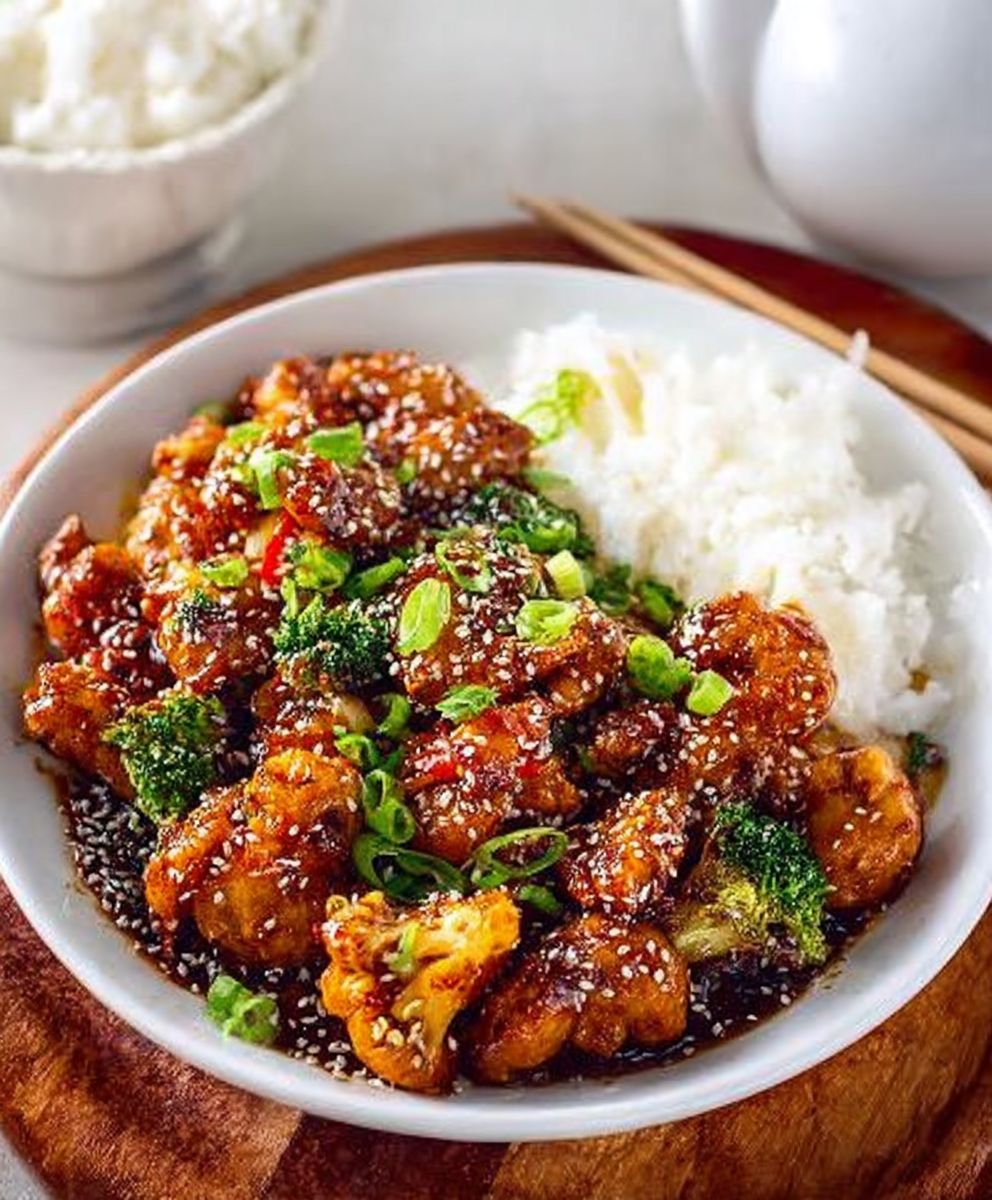
- Achieve a beautiful, glossy amber glaze and vibrant sesame seed finish that looks stunning enough for a sophisticated holiday spread.
- This robust recipe can easily transition from juicy chicken to firm tofu or thinly sliced beef, adapting perfectly to whatever protein you currently have on hand.
The Allure of Sesame Chicken: Why Homemade is Better
There is a unique magic to Sesame Chicken—that glorious moment when the crunchy exterior meets the thick, glossy sauce. For years, I considered this a strictly professional endeavor, reserved only for my favorite local restaurant and their incredible, highly specialized Wok setup. My own attempts usually resulted in either soggy chicken that tasted like sadness or sauce that was so sugary it should have come with an insulin shot.
The truth is,Homemade Chinese Food: Easy Recipes for Authentic Flavorsoften revolves around three simple pillars: preparation (mise en place), heat control, and mastering the thickening agents. This specific recipe cuts through the complexity, focusing on creating that incredible depth of flavor we crave without requiring obscure ingredients or highly technical maneuvers. We’re swapping the stress of high-volume restaurant cooking for the ease of a comfortable home kitchen, proving that authentic taste doesn’t require a commercial-grade stove.
Decoding the Crispy Coating Conundrum
The biggest hurdle people face when replicating takeout favorites at home is the lack of proper crispiness. Often, people rely on flour, which tends to absorb too much oil and yields a softer, chewier texture instead of the delicate crunch we desire. The secret weapon here is cornstarch, utilized in both the marinade and the final coating process. Cornstarch, when subjected to high heat, forms a light, delicate shell around the protein that remains intensely crunchy even after being tossed in the viscous, syrupy sauce. We employ a method called the “double dip” where the chicken is first marinated, then lightly dusted with dry cornstarch before frying, ensuring maximum surface area for that signature crunch.
Furthermore, managing the oil temperature is absolutely critical. If the oil is too cool, the coating will slowly saturate and become greasy. If the oil is too hot, the exterior will burn before the inside of the chicken cooks fully. Aiming for a consistent 350°F (175°C) will ensure rapid setting of the cornstarch coating while allowing the interior of the meat to cook perfectly and safely. Always fry the chicken in small batches; overcrowding the pan immediately lowers the temperature and guarantees sad, soggy results. Patience truly is a virtue when seeking perfect texture, and that crispy texture is what transforms a good dish into a great one.
Ingredients for Homemade Chinese Food: Easy Recipes for Authentic Flavors
Here’s what you’ll need to make this delicious dish:
- Chicken Thighs or BreastsCut these into uniform, bite-sized pieces; thighs are recommended for their superior moisture and flavor retention during the cooking process.
- Soy Sauce (Low Sodium)This provides the foundational salty and umami base for both the marinade and the main sauce, crucial for depth of flavor.
- Fresh Ginger and GarlicAlways use fresh for that pungent, authentic aroma; jarred versions simply lack the necessary punch and brightness this recipe demands.
- Rice VinegarProvides the essential acidity to balance the sweetness of the sugar and the richness of the soy sauce, giving the sauce complexity.
- Brown Sugar or HoneyUsed to achieve the signature sweetness and glossy stickiness of the glaze; adjust the amount based on your personal preference for sweetness.
- Chicken Broth or Vegetable BrothActs as the liquid base for the sauce, helping it to thicken while adding subtle savory notes.
- CornstarchOur key thickening agent for the sauce and the secret to achieving that incredible, shatteringly crisp coating on the fried chicken.
- Toasted Sesame Oil and SeedsAdded at the very end to give the dish its distinctive, nutty aroma and visual appeal; this oil is too delicate for high-heat cooking.
The full ingredients list, including measurements, is provided in the recipe card directly below.
How to Make Homemade Chinese Food: Easy Recipes for Authentic Flavors
Follow these simple steps to prepare this delicious dish:
Step 1: Preparation and Marination
Begin by cutting the chicken into approximately one-inch cubes and placing them in a medium bowl. Add two tablespoons of soy sauce, one teaspoon of minced fresh ginger, and half a teaspoon of rice vinegar to the chicken. Toss the chicken thoroughly to coat, then let it marinate for at least 20 minutes at room temperature; this step is critical for introducing deep flavor right into the protein.
Step 2: Coating and Frying the Chicken
In a separate shallow dish, place approximately half a cup of cornstarch. Dredge each piece of marinated chicken through the cornstarch, pressing lightly to ensure a thin, even layer of coating adheres to all sides. Heat about an inch of high-heat neutral oil (like canola or peanut) in a large skillet or wok to 350°F (175°C). Carefully place the chicken pieces into the hot oil in batches, ensuring they do not touch. Fry for 4–5 minutes until golden brown and crispy, then remove and drain on a wire rack to maintain maximum crispiness.
Step 3: Crafting the Sticky Sesame Glaze
While the chicken drains, quickly prepare the sauce. In a separate bowl, whisk together the remaining soy sauce, chicken broth, brown sugar, rice vinegar, minced garlic, and the remaining fresh ginger. In a tiny bowl, mix one tablespoon of cornstarch with two tablespoons of cold water to form a smooth slurry. This slurry is essential for thickening the final sauce quickly and effectively, ensuring a perfect glaze texture.
Step 4: Glazing and Serving
Pour the sauce mixture into the empty skillet or wok (after draining most of the frying oil, leaving only about one tablespoon). Bring the liquid to a rapid boil, then immediately whisk in the cornstarch slurry. Stir continuously until the sauce thickens and becomes shiny and viscous—this typically takes only 30 to 60 seconds. Remove the wok from the heat and stir in the toasted sesame oil. Gently add the crispy fried chicken pieces back into the wok, tossing quickly until every piece is beautifully coated in the glossy sauce. Sprinkle generously with toasted sesame seeds.
Transfer to plates immediately and serve alongside steamed white rice and lightly steamed broccoli florets for the perfect, satisfying finishing touch.
Advanced Techniques for Next-Level Flavor
While the basic recipe delivers excellent results, true culinary enthusiasts often look for ways to elevate their simple home recipes into show-stopping experiences. MakingHomemade Chinese Food: Easy Recipes for Authentic Flavorsexceptional means focusing not just on the steps, but on the quality of ingredients and subtle shifts in preparation that enhance the overall sensory experience. By paying attention to details like the quality of your soy sauce and the temperature of your aromatics, you can achieve a depth of flavor that rivals even the best local eateries.
Utilizing Quality Umami Boosters
Many restaurant dishes derive their complex savory undertones from high-quality fermented ingredients. For this sesame chicken, upgrading your primary seasoning can make a huge difference. Consider using a naturally brewed, premium soy sauce rather than a generic alternative, as it offers a smoother, less overtly salty flavor. Furthermore, incorporating a tiny spoonful of dark soy sauce (which is primarily used for color) alongside the regular light soy sauce will give your finished dish a much deeper, richer mahogany hue, making the glaze visually stunning without drastically altering the sweetness. Remember, flavor is built in layers; don’t rely solely on sugar and salt to carry the dish.
The Art of the Slurry: Avoiding Clumps
The cornstarch slurry is where many home cooks encounter trouble, resulting in sauces that are either too thin or riddled with unwelcome, opaque lumps. The cardinal rule of thickening sauces is to always, without exception, mix the cornstarch with cold liquid before introducing it to the hot sauce. If cornstarch hits hot liquid directly, it gelatinizes instantly, forming lumps that cannot be dissolved. When adding the slurry, pour it in slowly while whisking vigorously and continuously in the center of the pan. Once the sauce visibly thickens and clears, stop adding the slurry; you can always add more, but you can never easily take it away.
Choosing the Right Tools for Your Chinese Kitchen
You don’t need a professional kitchen, but having a few specific tools can dramatically improve your results when tackling easy Asian recipes. The right equipment helps manage high temperatures and ensures even cooking, which is crucial for achieving the “Wok Hey” (the smoky, complex flavor characteristic of high-heat wok cooking).
The Essential Wok vs. Skillet Debate
While a large, heavy-bottomed skillet can certainly get the job done for this specific recipe, investing in a proper carbon steel wok will change your life if you frequently prepare Asian cuisine. A wok is designed with high, sloped sides that allow you to quickly move food in and out of the high-heat zone at the bottom, providing precise temperature control. It also requires less oil for frying than a traditional skillet, making deep-frying or shallow-frying cleaner and more efficient. When cleaning a carbon steel wok, avoid harsh soaps; simply rinse it with hot water and scrub with a bamboo brush to maintain its seasoned surface.
Mandatory Helpers: Spider Strainers and Wire Racks
When frying the chicken, a spider strainer—a wide, shallow mesh basket with a long handle—is indispensable. It allows you to safely and rapidly retrieve multiple pieces of crispy chicken from the hot oil without breaking the coating or splashing dangerously. Furthermore, always drain your fried chicken on a wire rack set over a baking sheet, rather than directly on paper towels. Paper towels cause steam to collect underneath the food, rapidly turning that beautiful crisp crust soggy. The wire rack allows air circulation, ensuring the chicken stays aggressively crunchy until the moment it meets the savory, sweet glaze.
Armed with these techniques and ingredients, you are now fully equipped to conquer your cravings and confidently makeHomemade Chinese Food: Easy Recipes for Authentic Flavorsthat taste infinitely better than anything delivered to your door.
The Accidental Discovery of Sunshine on a Plate

My journey into Homemade Chinese Food: Easy Recipes for Authentic Flavors started accidentally, when a massive snowstorm trapped me inside. I desperately craved sweet and savory takeout but was forced to improvise with pantry staples, resulting in a stir-fry so bright and perfect, it felt like sunshine.
There is a universally accepted truth in the world of weeknight dining: the craving for sweet, salty, and savory Chinese takeout hits like a freight train precisely when you are least prepared to leave the house. We’ve all been there, hovering over the worn delivery menu, debating the merits of the General’s poultry versus the Empress’s noodles, only to be hit with an astronomical delivery fee and an hour-long wait. It’s a tragedy of modern living, really.
That is precisely how I found myself staring mournfully at a nearly bare refrigerator, determined to recreate that distinctive takeaway flavor without resorting to questionable pre-made sauces. What I discovered, much to my shock, was that achieving truly authentic Chinese flavors in your own kitchen is less about complex wok mastery and more about simple timing and ingredient quality. It requires a handful of pantry staples, a very hot pan, and a healthy dose of audacity. This isn’t just cooking; it’s an adventure in flavor control, giving you the power to dictate exactly how sticky, spicy, or savory your meal becomes.
The Quest for the Perfect Takeout Fake-Out
My early attempts at recreating restaurant-quality dishes were, to put it mildly, sloppy. I produced more watery, lackluster stir-fries than I care to admit. The secret, I learned, isn’t about expensive equipment—though a good, solid skillet or wok helps—it’s about the sequencing and the use of the simplest ingredients to achieve depth. We often overcomplicate Asian cuisine, assuming a list of rare ingredients is required, but the core building blocks are universally accessible: ginger, garlic, quality soy sauce, and sesame oil.
Once you understand how heat interacts with a properly balanced sauce, the whole world of Chinese cooking opens up. You move beyond basic fried rice and venture confidently into homemade spring rolls, savory noodle dishes, and perfectly glazed poultry. The goal is to avoid the disappointment of greasy, under-seasoned delivery and embrace the satisfaction of knowing you controlled every delicious outcome. Get ready to impress your family and confuse your delivery driver when they realize you’re no longer ordering.
Essential Ingredients for Authentic Flavor
To embark on this culinary journey and produce genuine Homemade Chinese Food: Easy Recipes for Authentic Flavors, you must stock a few non-negotiable items. These aren’t exotic spices; they are flavor foundations. For our signature stir-fry glaze, you will need a robust, dark soy sauce (for color and depth), fresh ginger and garlic (never powdered, please), rice vinegar (for necessary acidity), and a touch of sweetness, which we will derive from a quality fruit juice or simple sugar mixture.
Crucially, cornstarch is your best friend. It provides the essential velvet texture for tenderizing meat and acts as the binding agent in the sauce, ensuring that glossy, clingy glaze we all crave. We skip the complicated ingredients and focus on maximizing the taste of what is available, transforming humble chicken, beef, or tofu into an unforgettable meal.
Perfecting the Cooking Process
To get those truly authentic flavors, sear the chicken in small batches first to achieve maximum caramelization. While the chicken rests, quickly sauté the aromatic vegetables, then introduce the sauce base thickened with a simple cornstarch slurry. This method ensures crisp vegetables and perfectly tender meat.
The cardinal rule of Asian home cooking is simple: high heat and rapid movement. If your pan isn’t smoking slightly when you add the oil, you aren’t doing it right. We need that fierce heat to caramelize the sugars quickly and develop that distinct smoky flavor often referred to as “wok hei.” When cooking your chicken or beef, slice it thinly and uniformly. This ensures quick cooking and maximum surface area for the sauce to cling to. Remember, patience is not a virtue when stir-frying; speed is everything.
The Secret to That Restaurant Glaze
If you’ve ever wondered why your homemade stir-fries taste watery compared to takeout, the answer is usually the thickening agent. The magic lies in the slurry—a simple mixture of cold water and cornstarch. Never add dry cornstarch directly to a hot sauce, or you’ll end up with lumps that look distressingly like tiny flavor meteorites.
Once the protein and vegetables are cooked, pour in your prepared sauce (containing soy, ginger, rice vinegar, and sweetener). Allow it to bubble vigorously. Then, while stirring constantly, slowly pour in the slurry. You will watch in real-time as the sauce transforms from liquid to a beautiful, glossy glaze that coats every single piece of food perfectly. If the sauce becomes too thick, simply add a tablespoon of broth or water until the desired consistency is achieved. Mastering this simple technique is the breakthrough moment for anyone serious about making incredible food at home.
Add Your Touch
Feel free to swap the chicken for thinly sliced beef or firm tofu if you prefer. For a spicy kick, include dried chili flakes or a dash of sriracha. A squeeze of fresh orange juice can also replace traditional sweet elements beautifully, adding a bright citrus note to the final dish.
This is where you graduate from following instructions to becoming a true kitchen artist. The beauty of this category of recipes is its incredible flexibility. Don’t limit yourself to the classic broccoli and carrots. Introduce different textures and colors with snow peas, bell peppers, water chestnuts, or even thinly sliced zucchini. If you want more crunch, add toasted sesame seeds or chopped peanuts just before serving.
For those looking to deepen the umami profile without relying on restricted ingredients, consider incorporating a spoonful of mushroom powder or a splash of tamari for a richer, fermented flavor. The true advantage of homemade cooking is that you control the seasoning. If you like it salty, add more soy; if you crave heat, double down on the chili. Taste, adjust, and taste again—that is the rhythm of authentic, successful cooking.
Storing & Reheating
Store any leftovers in an airtight container for up to three days in the refrigerator. Reheat gently in a skillet over medium heat to prevent the sauce from breaking or the meat from drying out, adding a splash of broth if necessary. Avoid using the microwave if you want to maintain the crispy texture.
Three Expert Tips for Perfect Stir-Fries
- Always ensure your wok or skillet is screaming hot before adding oil; this prevents sticking and encourages that beautiful smoky char on your protein and vegetables.
- Slice your protein against the grain and use a touch of cornstarch in the marinade—it locks in juices, creating incredibly tender results every single time.
- Never overcrowd the pan. Cook ingredients in separate batches if necessary, then combine them at the very end for even cooking and maximum color retention.
My neighbor swore he spent $40 on takeout until I revealed my secret: this recipe. Watching his jaw drop proved that Homemade Chinese Food: Easy Recipes for Authentic Flavors is worth every minute.
Conclusion for Homemade Chinese Food: Easy Recipes for Authentic Flavors
Making Homemade Chinese Food: Easy Recipes for Authentic Flavors doesn’t require a restaurant kitchen or decades of experience. It simply demands fresh ingredients, a hot pan, and an adventurous spirit. We’ve unlocked the secrets to perfectly glazed chicken and tender vegetables, proving that superior flavor control comes from your own kitchen. Ditch the delivery menu, because mastering these easy recipes delivers both satisfaction and undeniable taste. Start your journey tonight and transform your weeknight meals into authentic culinary adventures, proving once and for all that the best takeout is the one you make yourself.
Print
Homemade Chinese Food: Easy Recipes for Authentic Flavors
- Total Time: 35 minutes
- Yield: 4 servings
Description
Achieve restaurant-quality beef and broccoli at home! Flank steak is velvety tender thanks to a cornstarch marinade, then tossed in a rich, garlicky soy glaze. Quick stir-fry perfection.
Ingredients
- Flank Steak (sliced thin): 1 pound
- Broccoli florets: 4 cups
- Low Sodium Soy Sauce: 1/2 cup
- Cornstarch (divided): 3 tablespoons
- Fresh Garlic (minced): 2 cloves
- Fresh Ginger (grated): 1 teaspoon
- Brown Sugar: 1 tablespoon
- Sesame Oil: 1 teaspoon
Instructions
- Step 1: Slice the flank steak thinly against the grain. In a bowl, toss the beef with 1 tablespoon of soy sauce and 1 tablespoon of cornstarch, ensuring all pieces are lightly coated. Set aside to marinate for at least 15 minutes.
- Step 2: Prepare the sauce by whisking together the remaining 7 tablespoons of soy sauce, 2 tablespoons of cornstarch, the brown sugar, minced garlic, and grated ginger. Set the sauce mixture aside.
- Step 3: Heat 2 tablespoons of oil in a large wok or skillet over high heat until shimmering. Add the marinated beef and stir-fry quickly for 2-3 minutes until browned but not fully cooked through. Remove the beef and set aside on a plate.
- Step 4: Add the broccoli florets to the hot wok, along with 2 tablespoons of water. Stir-fry for 3-4 minutes until the broccoli is bright green and tender-crisp.
- Step 5: Return the beef to the wok with the broccoli. Whisk the prepared sauce mixture again and pour it over the ingredients. Stir constantly and rapidly until the sauce boils and thickens into a glossy glaze, coating all the beef and broccoli. Finish by drizzling with sesame oil before serving immediately over rice.
Notes
- Store leftovers promptly in an airtight container in the refrigerator for up to 3 days; the sauce tends to thicken further upon cooling.
- For the best texture, reheat individual portions quickly in a lightly oiled skillet over medium-high heat rather than using the microwave, which can make the broccoli soft.
- Enhance the presentation and flavor by serving this savory stir-fry over fluffy jasmine rice and finishing with a sprinkle of toasted sesame seeds or sliced green onions.
- The secret to tender beef is slicing the flank steak truly thinly and against the grain, which prevents the beef from becoming chewy during the high-heat cooking process.
- Prep Time: 15 minutes
- Cook Time: 20 minutes
- Method: Stovetop
- Cuisine: American
Nutrition
- Serving Size: 1.5 cups stir-fry mixture with 1 cup cooked white rice
- Calories: 725
- Sodium: 1400mg
- Fat: 25g
- Saturated Fat: 50g
- Trans Fat: 0g
- Protein: 10g